
Digestive Issues
What are digestive issues?
Digestive issues affect millions of Americans each year. These conditions involve the digestive tract, which is also known as the gastrointestinal (GI) tract. The GI tract includes the esophagus, liver, stomach, small and large intestines, gallbladder and pancreas.
Digestive issues encompass a variety of diseases ranging from mild to severe. Common digestive issues include gastroesophageal reflux disease, cancer, irritable bowel syndrome, lactose intolerance and hiatal hernia.
The most common symptoms of digestive issues include bleeding, bloating, constipation, diarrhea, heartburn, pain, nausea and vomiting. Accurately diagnosing digestive issues involves collecting a thorough medical history and conducting a physical examination. Some patients with digestive issues may need more extensive diagnostic evaluations, including endoscopic procedures, lab tests and imaging.
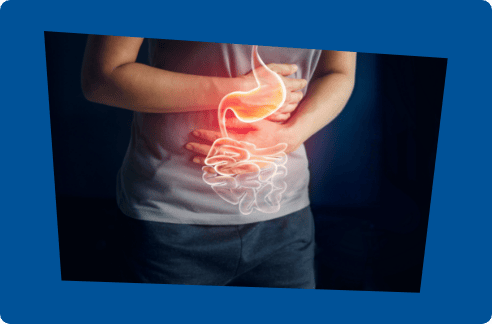
Common types Of Digestive Issues
Common types Of Digestive Issues
Knowing the signs and symptoms of common digestive disorders can help people identify them and seek relevant treatment.
IBS
The main symptom of IBS is abdominal pain, which may occur before or after bowel movements. People can also experience diarrhea, constipation, or both.
Whether a person typically experiences diarrhea or constipation more often, or both equally, determines which type of IBS they have.
Other symptoms of IBS may include:
- bloating
- white mucus in the stool
- incomplete bowel movements
A combination of factors can cause or worsen IBS symptoms. People with IBS are more likely to have experienced traumatic life events or to have a mental health condition. However, IBS can also develop after an infection or as a result of SIBO. A variety of factors can contribute to IBS. That is why different people benefit from different approaches to managing their symptoms. They may need to:
- make dietary changes
- learn to reduce stress
- address underlying conditions
SIBO
SIBO occurs when bacteria from the large intestine migrate to the small intestine, causing symptoms such as:
- bloating
- diarrhea
- constipation
Treatment for SIBO involves taking antibiotics, but it may also include medications to help with digestion and address the underlying cause.
GERD
Acid reflux occurs when a person’s stomach contents come back up into the esophagus or food pipe. If this happens frequently, a person may have GERD, which is a long-term condition.
GERD can cause esophagitis, which is inflammation or irritation of the esophagus. However, a person can also have GERD without esophagitis.
Common symptoms of GERD with esophagitis include:
- heartburn
- acid reflux
- chest pain
- nausea
- pain while swallowing
Doctors are not always sure what causes GERD, but risk factors can include: - taking certain medications, such as nonsteroidal anti-inflammatory drugs
- having obesity
- inhaling secondhand smoke
- being pregnant
- having a hiatal hernia
Treatment for GERD may include making dietary changes, quitting smoking, taking over-the-counter medications to manage the symptoms, or receiving treatments that address the underlying cause.
Gallstones
The gallbladder is a small sac that stores bile, which the body uses during digestion. Gallstones are small stones that form in the gallbladder.
In most cases, a person may not know that they have gallstones, as they usually do not produce any symptoms. However, people may experience symptoms if the gallstones form in front of an opening in the gallbladder.
Symptoms may include:
persistent pain below the ribs, on the right-hand side of the body
- jaundice
- a high temperature
- nausea
- vomiting
- sweating
Treatment for gallstones may include surgical removal of the gallbladder or a procedure whereby a healthcare professional will remove gallstones from the bile duct.
Tips to prevent digestive issues
Many digestive issues can be eliminated with some simple lifestyle changes. Try these six tips to help your digestive system stay on track.
Eat small, frequent meals
Prevent indigestion, bloating and heartburn by changing how often you eat without increasing your overall calorie intake.
Instead of three meals a day, enjoy four to five smaller meals and eat them slowly. Taking time to chew food properly makes you feel full, which can help prevent overeating that can cause gas, bloating, heartburn and indigestion.
Manage your stress level
Stress can cause “butterflies in your stomach.” A sad experience can be “gut-wrenching.” The reason is because your brain has a direct impact on your stomach.
“Your digestive tract is controlled by a complex system of about 100 million nerves that start in the brain and end in the gut,” notes Dr. Graham. So, your emotions cause chemical and physical responses in the body that can result in stomach pain and discomfort. If ongoing stress is an issue for you, try meditation or other relaxation techniques and make sure to get enough sleep.”
Drink plenty of water and limit alcohol
Water helps your body flush waste and toxins, and helps your colon eliminate waste, which prevents constipation.
The amount of water you need every day may depend on numerous factors, such as activity level, geographic location and temperature. If you have questions about how much water you need per day, check with your doctor.
“Make sure you also limit your alcohol consumption,” notes Dr. Graham. “Alcohol interferes with acid secretion and nutrient absorption. Too much alcohol can contribute to heartburn, diarrhea and liver issues.
Eat a balanced diet
“Stay away from fried, greasy foods that are hard to digest,” notes Dr. Graham. “Instead, fill your plate with fiber-rich foods, like cherries, grapes, bell peppers, beans, whole grains and nuts.”
Add fish to your list of healthy foods as well. The omega-3 fatty acids in fish can improve digestive issues by stabilizing cell walls to reduce inflammation. Federal food and environmental agencies have declared that eating fish is part of a healthy eating pattern.
Probiotic-containing foods also help with digestion. Probiotics, such as yogurt and kefir, contain good bacteria that can fight any bad bacteria lurking in your gut.
Maintain a healthy body weight
Extra pounds, especially around the midsection, can make digestive issues, such as heartburn, gas and burping, worse.
If you need to lose weight, you don’t need to rush it. Make easy, small changes for healthy weight loss.
Exercise regularly
Daily physical activity can help your body’s digestive system move things along and eliminate waste. Try walking, cycling, swimming, using an elliptical trainer or hiking.
When to Call the Doctor About Digestive Problems?
Constipation, diarrhea, heartburn, and gas are common digestive problems that everyone experiences now and then. Most of the time symptoms improve on their own or with over-the-counter remedies. However, if your symptoms persist or worsen, it’s likely time to contact your primary care physician. Depending on your symptoms, your doctor may refer you to a gastroenterologist who specializes in digestive health issues for further evaluation and treatment.

How long does it take to recover from digestive issues?
Most patients are discharged within 1-5 days of gastric electrical stimulation procedure. However, as this surgery is not an end in itself, a person will have to go to the doctor for regular check-ups.
Other digestive disorders like gas, heartburn, constipation and diarrhea may be treated within a time span of a few hours to a few days with the help of proper medication and a proper diet.
The islet autotransplantation procedure is complex and a person may require quite some time to recover.
Frequently Asked Questions
How does medically supervised weight loss work?
Pre-packaged meal replacement plans are a medically supervised weight-loss program. They use meal replacement options, lifestyle modifications, and behavior change counseling to help people reach and maintain their weight loss and health goals.
Is medical weight loss successful?
Most medical weight loss has not been successful long term, as weight gain often occurs when treatment ends. We report a medical intervention with high program completion rates that leads to substantial weight loss during treatment and persistent weight loss years after treatment ends.
What is the maximum weight a person can lose?
“In general, 1 to 2 pounds per week, or 4 to 8 pounds per month, is a safe and sustainable amount to lose,” says Sarah Gold Anzlovar, MS, RDN, LDN, and founder of Sarah Gold Nutrition. “Some people may lose more than that initially, but it’s often a lot of water weight and not true fat loss.”
Can weight be lost permanently?
Permanent Weight Loss – Is it Possible? – Melissa Mitri They’ll say losing weight permanently is a myth; invasive methods like weight loss surgery are the only way. While it’s true that approximately 80% of people regain the weight they lost within 5 years, it’s largely because of the methods we are using to lose that weight.
Ready To Go From Tired To Energized?
Get your personalized plan and supplement regimen based on your specific biological and energetic needs.
